Perception → planning → walking
Humanoid locomotion & navigation
Connect terrain perception and obstacle avoidance with feasible steps, step timing, and whole-body motion.
Explore this researchCyberbotics Lab
We connect perception, planning, learning, and feedback control to study how robots walk, balance, and navigate.
Perception → planning → walking
Connect terrain perception and obstacle avoidance with feasible steps, step timing, and whole-body motion.
Explore this researchModels + learning
Combine reduced-order models, feedback control, and learned policies; evaluate stability and safety under stated conditions.
Explore this researchHuman–robot dynamics
Develop dynamic walking controllers for powered lower-limb exoskeletons and study balance in coupled human–robot systems.
Explore this researchMethods → reusable tools
Connect robot models, planning, control, and learning through Cyber Suite's modular C++ and Python foundation.
Explore this researchExplore the project pages below for the methods, experimental settings, and supporting publications.
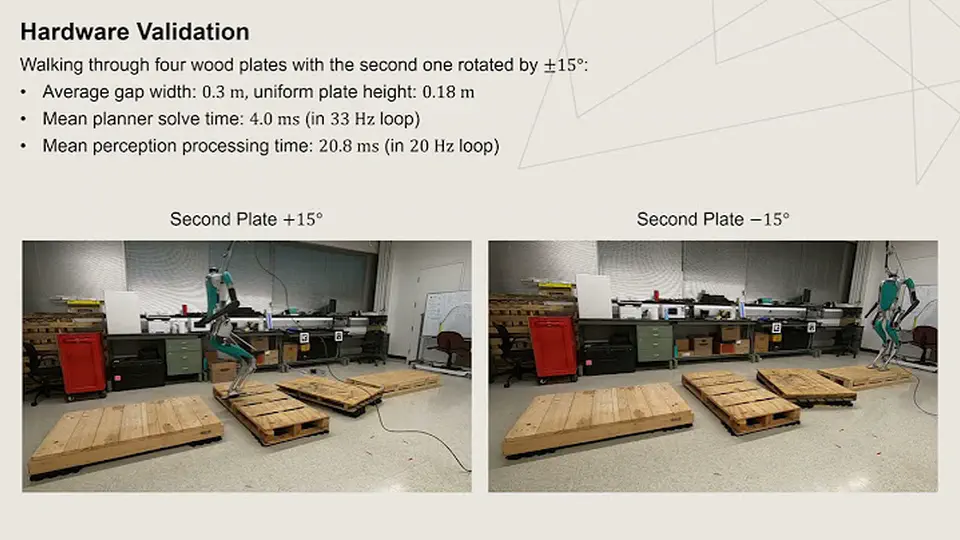
Perception-aware footstep planning and navigation for humanoid robots.
Methods & evidence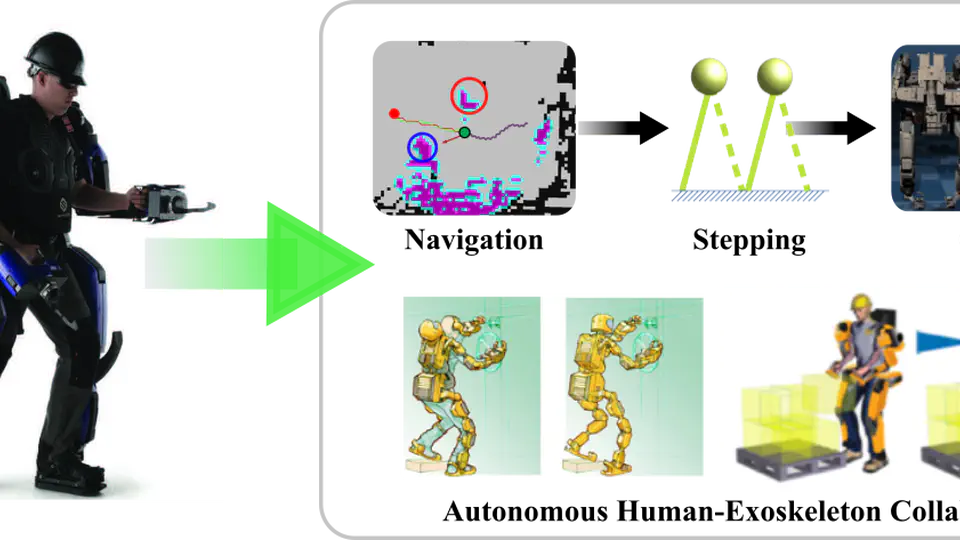
Research direction
Hybrid dynamics and walking control for coupled human–robot systems.
Methods & evidence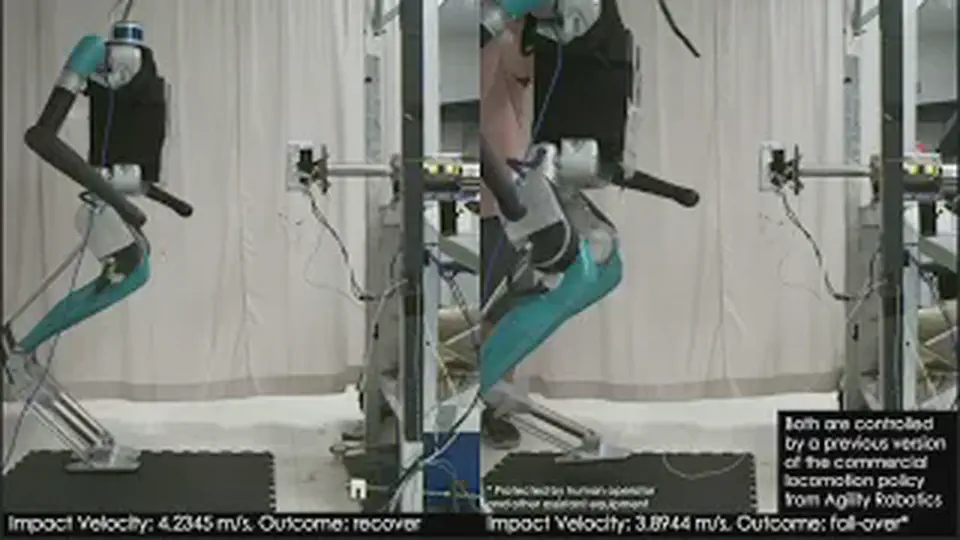
Repeatable disturbance-rejection testing and comparison of legged robot controllers.
Methods & evidence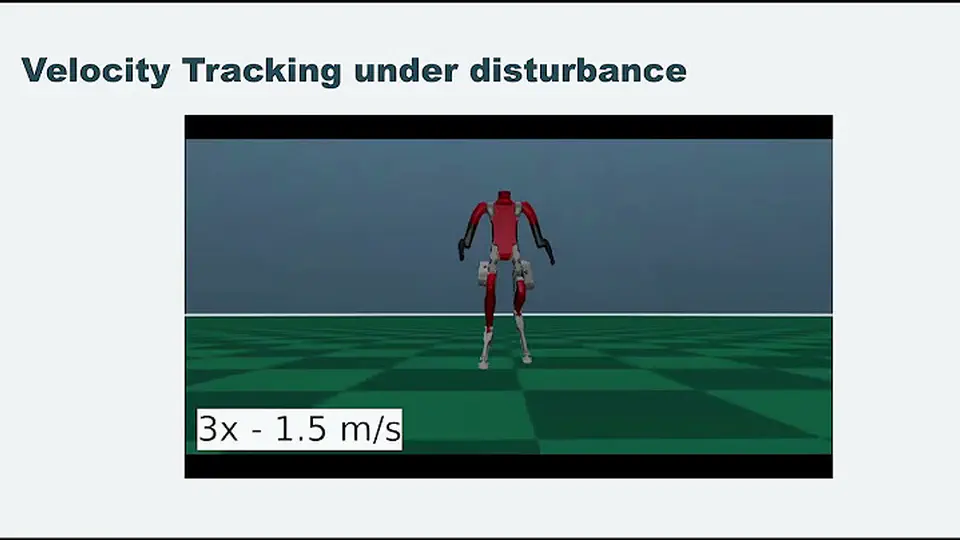
Model-informed learning methods for dynamic bipedal locomotion.
Methods & evidence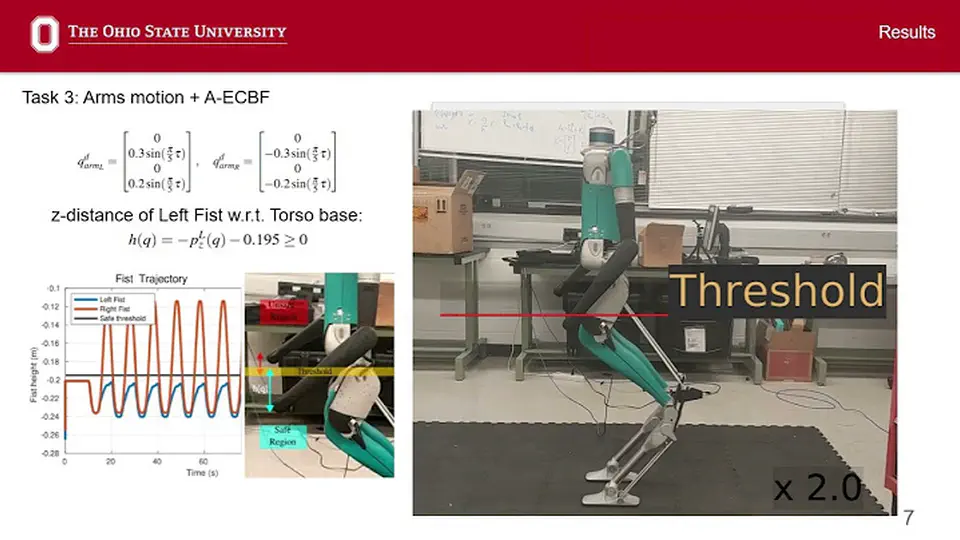
Task-space control with dynamic, contact, and safety constraints for humanoid robots.
Methods & evidence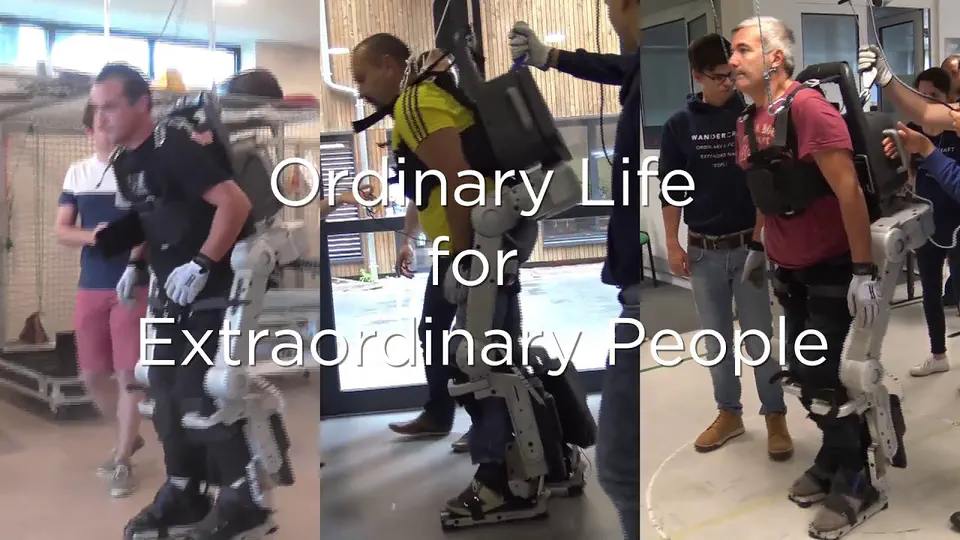
Dynamic walking control for self-balancing powered lower-limb exoskeletons.
Methods & evidence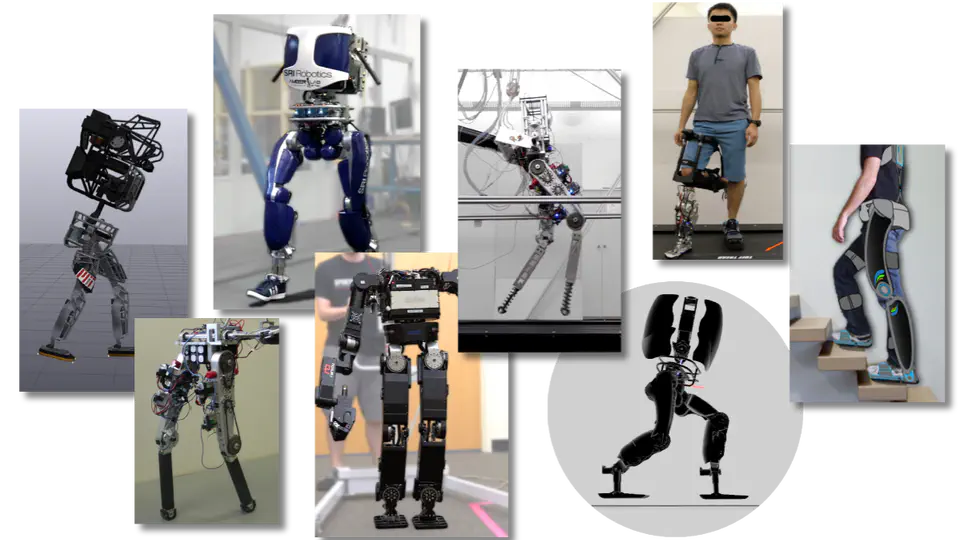
Open-source modeling, trajectory optimization, and simulation for hybrid robot dynamics.
Methods & evidence